Some singers win over the hearts of their fans. A rare few also earn the deep respect of their fellow artists. Gene Watson is one of those rare few. In the world of country music, his name carries a quiet weight — a sign of genuine talent, staying power, and authenticity. For many of today’s most beloved country performers, Watson isn’t just a hero; he’s their hero’s hero.
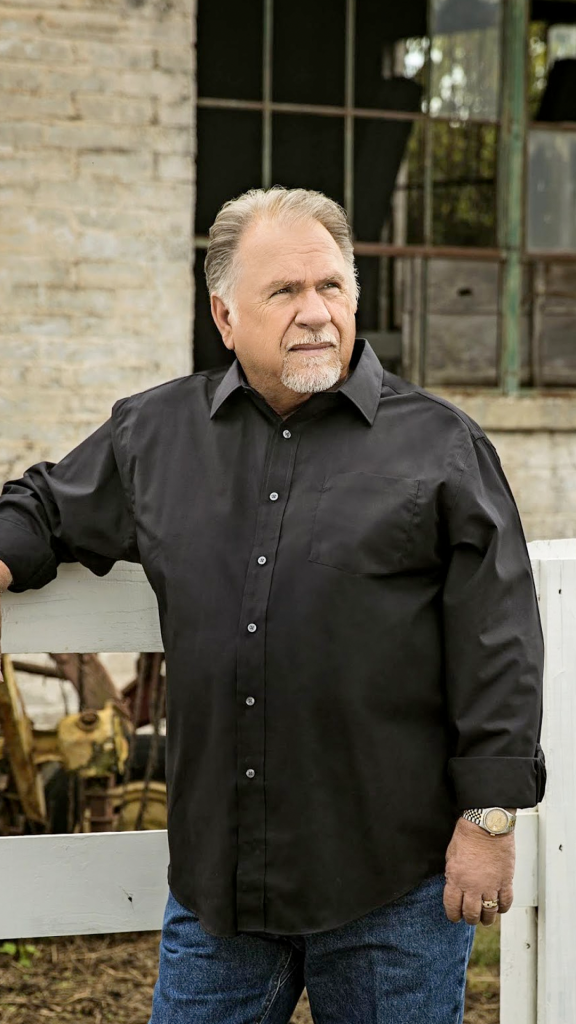
Now at 81 years old, Gene Watson is still on the road, still standing behind a microphone, and still giving audiences the same soulful voice he’s been known for since the 1960s. Time may have passed, but his tone — smooth, powerful, and deeply moving — remains one of the most recognizable sounds in traditional country music.
Watson’s love for music didn’t come from chasing fame or fortune. It came naturally, as if it were part of his DNA. Growing up in a family where everyone could sing, music was simply woven into daily life. “I can remember singing before I can remember talking,” Watson once shared on his website. “Even when I was a kid, if I heard a song twice, I knew it. But I never planned to be an entertainer. I knew I could sing, but that wasn’t unusual in my family — we all could.”
That natural gift eventually led him from small Texas honky-tonks to the biggest stages in country music. In the early years, Watson worked day jobs — including fixing cars — while performing at night. His big break came in the mid-1970s when his single Love in the Hot Afternoon became a hit. From that point on, his career took off, bringing fans classics like Farewell Party, Fourteen Carat Mind, and Paper Rosie. Each song carried his signature touch: honest storytelling, heartfelt delivery, and a voice that could make you believe every word.
Over the years, Watson became known as one of the finest ballad singers in country music history. His performances weren’t just about hitting notes — they were about making listeners feel the weight of every lyric. For many fans, his music wasn’t background noise; it was a soundtrack to their lives.
Even today, he remains committed to giving audiences his very best. Fans often walk away from his concerts amazed that his voice is as strong as ever. “Such a legend! I’ll never get tired of hearing him sing,” said one longtime admirer. Another insisted he is “long overdue for the Country Music Hall of Fame.” Others praise his authenticity, saying, “Gene is the real deal — no auto-tune, just pure talent.”
Watson himself knows why his shows still draw crowds. “I’ve been on top, and I’ve been as low as you can go,” he reflected. “There are still so many people who come out to hear the fiddle, the steel guitar, and songs about heartbreak and real life. There’s still a hunger for traditional country music. I’ll keep going as long as I can do the job, and do it well.”
In an era when much of country music leans toward pop influences, Gene Watson stands firmly in the tradition of the genre’s golden years. His concerts feel like a journey back to a time when the music was raw, emotional, and rooted in real experiences. For his fans — many of whom have followed him for decades — hearing him sing is like catching up with an old friend. The voice is familiar, the stories feel genuine, and the emotions are timeless.
Watson’s career is a reminder that trends may come and go, but true artistry endures. His legacy isn’t built on flash or hype, but on something far more lasting: sincerity. And as long as he’s able, Gene Watson plans to keep standing on that stage, singing the songs that made him — and country music itself — unforgettable.